CRM & marketing automation

CRM and marketing automation that actually connects

Getting a lead is one thing. Knowing what happens next is where most businesses fall short. At ID Digital Agency, we design and implement CRM and marketing automation systems that connect your marketing, sales and customer experience.

feature-hubspot-partner-developers-melbourne

Connected systems. Consistent outcomes.

CRM and automation are most effective when aligned to real operational processes, not just software features.

We design and implement CRM and automation systems that improve visibility, reduce manual effort and support consistent execution across platforms and teams.

What your CRM should be doing

A well-implemented CRM and automation system should:

  • Capture and organise leads effectively
  • Automate follow-up and nurturing
  • Support your sales process
  • Provide visibility across the customer journey
  • Improve retention and lifetime value

If your CRM feels like a spreadsheet, it’s underperforming.

mt-buller-hubspot-desktop

How we approach automation


Our CRM and automation expertise


CRM and automation systems that scale with organisational complexity

CRM strategy and selection
We help organisations select and structure CRM platforms based on real workflows, data needs and governance requirements.
HubSpot CRM and automation

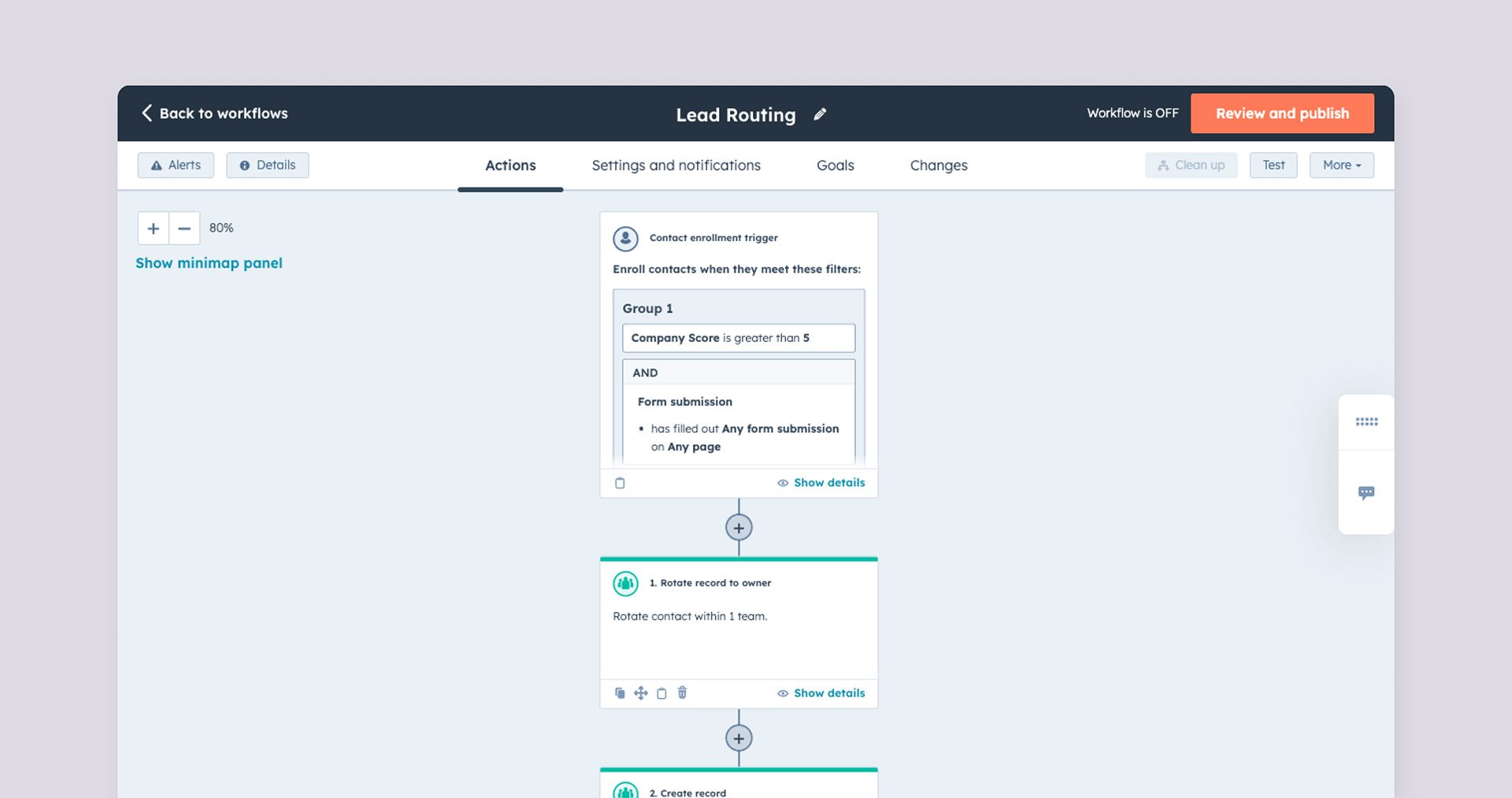
We design and implement HubSpot CRM and automation to support marketing, sales and service teams without over-customisation or unnecessary complexity.

Data structure and governance
We define data models, permissions and processes to ensure accuracy, consistency and trust across systems.
Website and platform integration

CRMs are integrated with websites, portals and digital platforms to support seamless data flow and operational visibility.

Ongoing optimisation and support

We support continuous improvement as teams, processes and lifecycle requirements evolve.

From tools to integrated systems


  1. Requirements and lifecycle mapping
  2. Platform setup and configuration
  3. Integration and data alignment
  4. Automation design
  5. Testing and rollout
  6. Ongoing optimisation
01.
Lifecycle stages and operational needs are clearly defined.
work-peninsula-hot-springs-featuere
Peninsula Hot Springs

Web and CRM platform
built on Hubspot

Explore this project

Where everything comes together

Your CRM sits at the centre of your digital ecosystem.

  • SEO and marketing drive traffic
  • CRO improves conversion
  • CRM captures and nurtures leads
  • Automation supports ongoing engagement

This is where disconnected activity becomes a connected system.

Connection is what turns leads into long term growth.

panel-mql-hubspot-partner-developers-melbourne

Frequently asked questions

About CRM and marketing automation

What is a marketing strategy, and why is it essential for businesses?

A marketing strategy is a comprehensive plan that outlines how a business will promote its products or services to achieve specific goals. It involves understanding the target audience, creating compelling messages, and choosing the right channels to reach them. A strong marketing strategy ensures that all efforts are aligned, making campaigns more effective and maximising return on investment (ROI).

How does a marketing strategy differ from a marketing plan?

A marketing strategy is a long-term vision that defines what the business wants to achieve, focusing on goals, audience insights, and key messages. A marketing plan, on the other hand, is the tactical execution of the strategy, detailing specific campaigns, timelines, and tools to implement the strategy. Together, they provide a roadmap for achieving marketing success and driving business growth.

What are the key components of an effective marketing strategy?

An effective marketing strategy includes a clear understanding of the target audience, a value proposition, competitor analysis, goals and objectives, key messages, channel selection, and metrics for measuring success. These elements work together to ensure that marketing efforts resonate with the audience, differentiate the business from competitors, and achieve measurable results.

How do you tailor a marketing strategy to meet a business's specific needs?

Tailoring a marketing strategy involves analysing the business’s goals, industry trends, and customer behaviour. By conducting market research, identifying pain points, and understanding customer journeys, a personalised strategy can be created. For example, a local business may focus on community engagement, while a global brand might prioritize digital advertising and content marketing to reach a broader audience.

What role does digital marketing play in a broader marketing strategy?

Digital marketing is often a cornerstone of a modern marketing strategy as it allows businesses to reach their target audience efficiently through channels like social media, email, and search engines. It offers measurable results, enabling businesses to optimise campaigns in real-time. When integrated with traditional marketing methods, digital marketing ensures a cohesive approach that drives awareness, engagement, and conversions.

How can a marketing strategy improve customer retention?

A marketing strategy enhances customer retention by creating personalised experiences, maintaining consistent communication, and providing ongoing value through targeted campaigns. Loyalty programs, email marketing, and content tailored to customer needs help build trust and encourage repeat business. A strong strategy fosters long-term relationships, turning satisfied customers into brand advocates.

What is the role of data in creating a marketing strategy?

Data plays a critical role in developing a marketing strategy by providing insights into customer behaviour, preferences, and trends. It helps identify what works and what doesn’t, allowing for data-driven decisions to optimise campaigns. Tools like Google Analytics, CRM systems, and social media insights enable businesses to measure performance and refine strategies for maximum impact.

How can a marketing strategy help businesses adapt to changing market conditions?

A well-defined marketing strategy is flexible, allowing businesses to pivot and adapt to market changes. By continuously monitoring trends, customer needs, and competitor activities, businesses can update their strategy to stay relevant. This proactive approach ensures resilience in the face of economic shifts, technological advancements, or changing consumer behaviour.

How do you measure the success of a marketing strategy?

Success is measured through key performance indicators (KPIs) such as lead generation, conversion rates, website traffic, customer engagement, and ROI. Regular analysis of these metrics ensures that the strategy is on track and provides opportunities for optimisation. Effective measurement tools and reports ensure transparency and help refine future marketing efforts.

How often should a marketing strategy be reviewed or updated?

A marketing strategy should be reviewed quarterly or whenever significant changes occur in the market or business environment. Regular reviews ensure alignment with evolving goals, customer needs, and industry trends. Updating the strategy ensures it remains effective and continues to deliver value, keeping the business competitive and responsive to new opportunities.

What is a content strategy, and why is it important for businesses?

A content strategy is a comprehensive plan for creating, distributing, and managing content that aligns with business goals and resonates with the target audience. It ensures that every piece of content serves a purpose, whether it's building brand awareness, driving website traffic, or converting leads. A strong content strategy helps businesses connect with their audience and achieve measurable results.

How does a content strategy align with overall business goals?

A content strategy aligns with business goals by addressing key objectives such as lead generation, customer retention, and brand positioning. By tailoring content to specific audience segments and business milestones, it ensures that marketing efforts contribute directly to growth. For example, creating educational blog posts may support brand authority, while targeted emails drive sales.

What are the essential components of a successful content strategy?

Key components include defining clear objectives, understanding the target audience, conducting content audits, developing a content calendar, choosing distribution channels, and measuring performance. These elements work together to create a cohesive plan that ensures consistency, relevance, and engagement across all content efforts.

How do you determine the right type of content for a target audience?

Understanding the audience’s needs, preferences, and behaviour is crucial. This can be achieved through research, surveys, and analytics. Based on the findings, businesses can choose content types such as blogs, videos, infographics, or case studies that align with the audience’s consumption habits and address their specific pain points or interests.

What role does SEO play in a content strategy?

A content strategy enhances engagement by providing valuable, relevant, and consistent content that resonates with the audience. Interactive formats like quizzes, videos, and webinars encourage participation, while storytelling and personalised messages build emotional connections. By addressing audience needs, a strong content strategy fosters trust and loyalty, increasing overall engagement.

What tools are helpful for implementing a content strategy?

Tools like content management systems (CMS) such as WordPress, analytics platforms like Google Analytics, and scheduling tools like Hootsuite are vital for managing and optimising content strategies. Additionally, keyword research tools like SEMrush and AI-driven writing tools help create content that performs well and aligns with audience expectations.

How do you measure the success of a content strategy?

Success is measured through key performance indicators (KPIs) such as website traffic, engagement metrics (likes, shares, comments), lead generation, and conversion rates. Regular performance reviews help businesses understand what’s working and where improvements are needed, ensuring ongoing refinement and effectiveness of the content strategy.

How often should a content strategy be updated?

A content strategy should be updated quarterly or in response to significant changes in the market, audience behaviour, or business goals. Regular updates ensure that content remains relevant, effective, and aligned with the latest trends and opportunities, helping the business stay competitive and engage its audience consistently.

How can a content strategy drive revenue growth?

A content strategy drives revenue by nurturing potential customers through valuable and relevant content that guides them through the buyer’s journey. By addressing pain points, building trust, and providing solutions, businesses can convert prospects into paying customers. Additionally, well-optimised content attracts organic traffic, reducing reliance on paid advertising while increasing ROI.

What is digital marketing, and why is it essential for businesses today?

Digital marketing encompasses online strategies to promote products or services through channels like search engines, social media, email, and websites. It is essential as it helps businesses reach targeted audiences cost-effectively, increases brand visibility, drives traffic, and converts leads into customers. In a world where online presence is key, digital marketing ensures businesses remain competitive and relevant.

How can digital marketing benefit small businesses in Australia?

Digital marketing provides small businesses with affordable opportunities to compete with larger companies. Through targeted advertising, social media engagement, and search engine optimisation (SEO), small businesses can build brand awareness, connect with local audiences, and increase sales. With tools like Google Ads and Facebook Business, small businesses can reach the right people with measurable results.

What are the key components of a successful digital marketing strategy?

A successful strategy includes clear goals, audience segmentation, SEO, content marketing, social media engagement, email marketing, and performance analytics. By integrating these components, businesses can deliver personalised messages to their audience, increase engagement, and achieve their marketing objectives efficiently.

How does SEO impact digital marketing success?

SEO (Search Engine Optimisation) improves a website's visibility on search engines like Google. By targeting relevant keywords, optimising content, and building quality backlinks, SEO drives organic traffic, increases brand credibility, and generates long-term results. It forms the backbone of a successful digital marketing campaign.

What role does content marketing play in digital marketing?

Content marketing involves creating valuable, relevant content that attracts and engages target audiences. It includes blogs, videos, infographics, and more. By addressing audience needs and pain points, content marketing builds trust, drives traffic, and supports lead generation, making it a critical component of digital marketing strategies.

How can social media marketing help businesses grow?

Social media marketing connects businesses with their audiences on platforms like Facebook, Instagram, and LinkedIn. It enables real-time engagement, brand storytelling, and targeted advertising. By leveraging social media, businesses can increase brand awareness, drive traffic, and foster customer loyalty through meaningful interactions.

What is programmatic advertising, and why should Australian businesses consider it?

Programmatic advertising automates the buying and placement of ads using AI and real-time bidding. It ensures ads are shown to the right audience at the right time, maximising efficiency and ROI. Australian businesses benefit from programmatic advertising by reaching specific demographics cost-effectively, increasing engagement and conversions.

How do email marketing campaigns contribute to digital marketing success?

Email marketing is a powerful tool for nurturing leads and retaining customers. By delivering personalised, value-driven messages directly to inboxes, businesses can build relationships, promote offers, and drive conversions. Automated email workflows and segmentation further enhance effectiveness, ensuring relevance and engagement.

What is the importance of analytics in digital marketing?

Analytics provide insights into campaign performance, user behaviour, and ROI. Tools like Google Analytics and social media insights help businesses track key metrics, identify trends, and make data-driven decisions. By analysing results, businesses can optimise campaigns for better outcomes and ensure resources are allocated effectively.

How can ID Digital Agency help businesses with their digital marketing efforts?

ID Digital Agency offers a comprehensive range of digital marketing services, including SEO, social media strategy, content creation, and targeted advertising. Our tailored strategies ensure businesses achieve measurable results, from increased website traffic to improved customer engagement. With a focus on innovation and data-driven approaches, we help Australian businesses thrive in an ever-evolving digital landscape.

What is online advertising?

Online advertising involves promoting your business through digital channels like search engines, social media, and websites. It includes paid ads, such as Google Ads, display banners, and social media campaigns, to increase visibility, drive traffic, and boost conversions. ID Digital crafts targeted campaigns to deliver measurable results.

How does online advertising benefit my business?

Online advertising provides immediate visibility, allowing you to reach your target audience effectively. It drives traffic, increases brand awareness, and generates leads. With precise targeting and measurable outcomes, online advertising ensures a high return on investment (ROI) for your marketing spend.

What types of online advertising does ID Digital offer?

ID Digital specialises in various forms of online advertising, including Google Ads (Search, Display, and Shopping), social media advertising (Facebook, Instagram, LinkedIn), retargeting campaigns, and programmatic advertising. Our tailored strategies are designed to maximise your campaign’s reach and effectiveness.

What is the difference between Google Ads and social media advertising?

Google Ads targets users actively searching for products or services, focusing on intent-driven traffic. Social media advertising reaches users based on interests, demographics, and behaviours, making it ideal for brand awareness and engagement. ID Digital helps determine the best approach or combination for your goals.

How do you determine the right budget for online advertising?

We analyse your goals, target audience, and industry benchmarks to recommend an optimal budget. By considering factors like competition and campaign objectives, we ensure your advertising spend delivers maximum ROI. ID Digital continuously monitors and adjusts campaigns to make the most of your investment.

Can ID Digital help with retargeting campaigns?

Yes, we specialise in retargeting campaigns that re-engage users who have visited your website but didn’t convert. By showing tailored ads across platforms like Google and Facebook, we increase the chances of turning potential customers into loyal clients.

How do you track the performance of online advertising campaigns?

We use advanced analytics tools to monitor metrics like impressions, clicks, conversion rates, and ROI. ID Digital provides regular performance reports and insights, enabling you to understand the effectiveness of your campaigns and make informed decisions.

What are programmatic ads, and how can they benefit my business?

Programmatic ads use automated technology to purchase and optimise digital ads in real-time. They allow for precise targeting, cost efficiency, and scalability. ID Digital leverages programmatic advertising to reach your ideal audience and achieve measurable results.

Can online advertising work for small businesses with limited budgets?

Absolutely. Online advertising offers flexibility, allowing small businesses to start with a modest budget. Platforms like Google and Facebook enable precise targeting, ensuring you reach your audience without overspending. ID Digital optimises campaigns to maximise impact, even with limited resources.

How does ID Digital create a successful online advertising campaign?

We start by understanding your goals and audience. Then, we develop compelling ad creatives, set up targeting parameters, and launch the campaign. Throughout the process, we monitor performance, adjust strategies, and provide detailed reporting to ensure your campaign achieves its objectives.

We’ll help you map your customer journey, identify gaps and build a CRM system that supports your business properly.