
Brand, UX & UI Design
Brand and UX/UI design that shapes how people experience, trust and choose you
Brand and UX/UI design that shapes how people experience, trust and choose youBrand isn’t a logo, and UX isn’t a wireframe. Both are how people decide whether to trust you. As a Melbourne brand and UX design agency, we build your positioning, visual identity and digital experience together, so every touchpoint, from your website to your AI assistant, says the same thing.
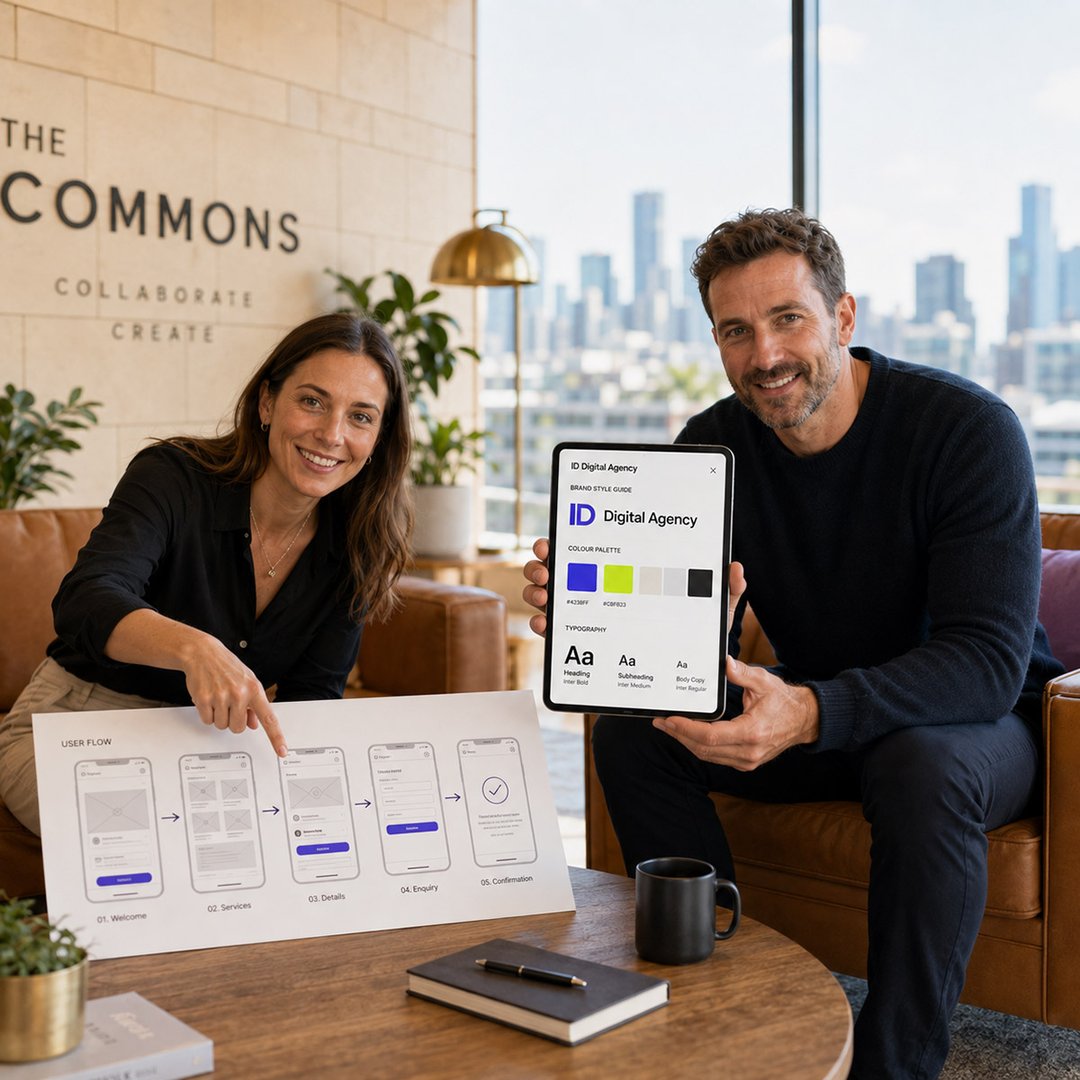
Brand and design are usually built separately, by separate teams.
That’s where things start to fall apart.
- A visual identity that doesn’t translate to the website
- A website that doesn’t reflect the brand’s positioning
- Inconsistent tone across sales, marketing and product
- Design decisions made on preference instead of behaviour
- AI chat and assistants that sound nothing like your brand.
Brand and design should be built as one connected system.
What a connected identity should do
- Say the same thing in every channel, from website to sales deck
- Be grounded in real positioning, not just visual preference
- Be designed around how people actually navigate and decide
- Scale cleanly as new pages, products and campaigns are added
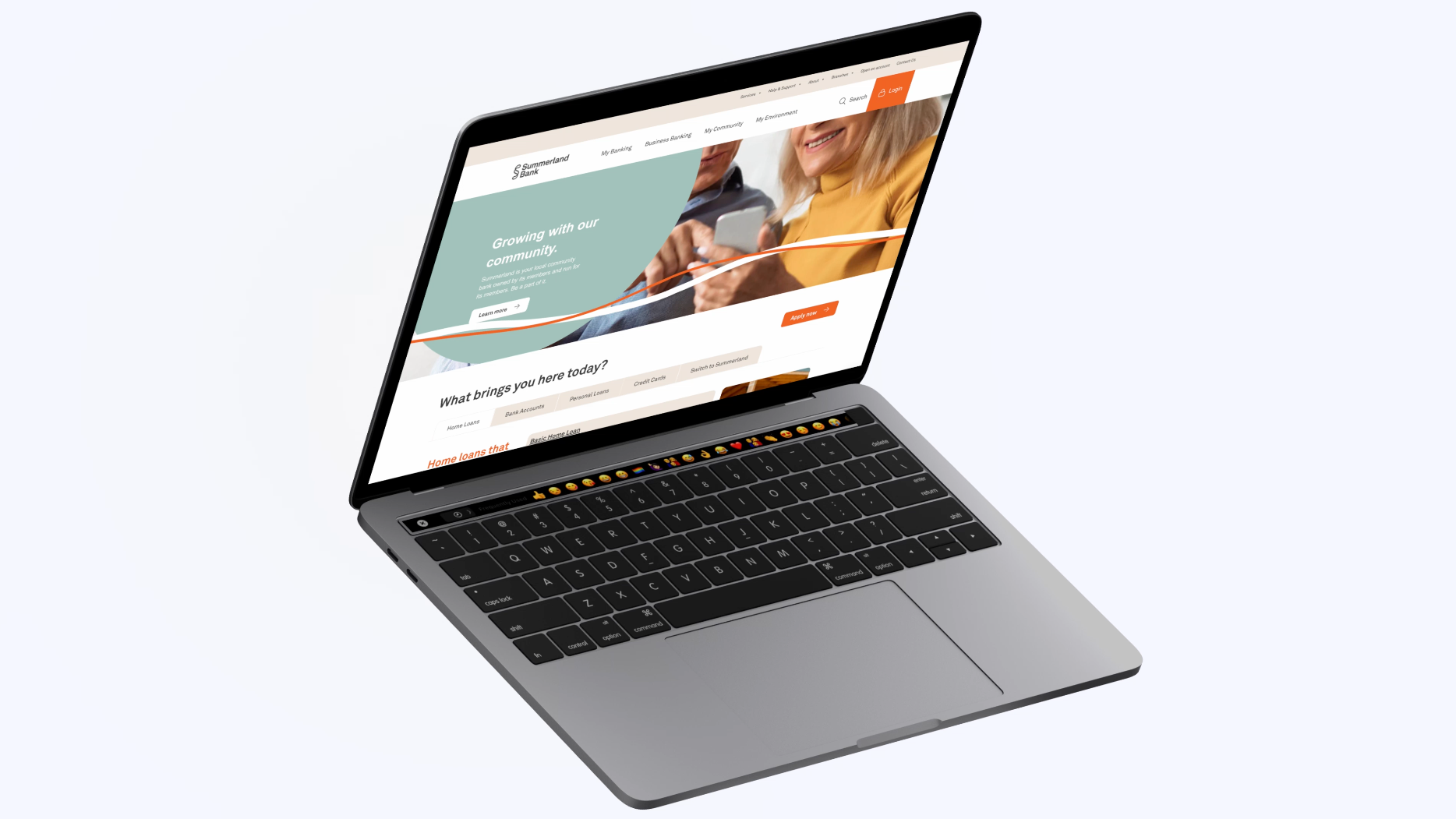
Our services




From strategy to delivery
-
Discovery
-
Positioning
-
Verbal identity
-
Visual identity
-
Experience design
-
Guidelines and handover
Our approach

Brand-led, not decoration
Visual and verbal identity are built from positioning and audience understanding, not chosen for how they look in isolation.

Designed around real behaviour
UX and UI decisions are grounded in how people actually navigate and decide, not assumptions about what looks clean.

Consistent across every touchpoint
One design system carries through website, app, sales collateral and campaign creative, so nothing feels disconnected.
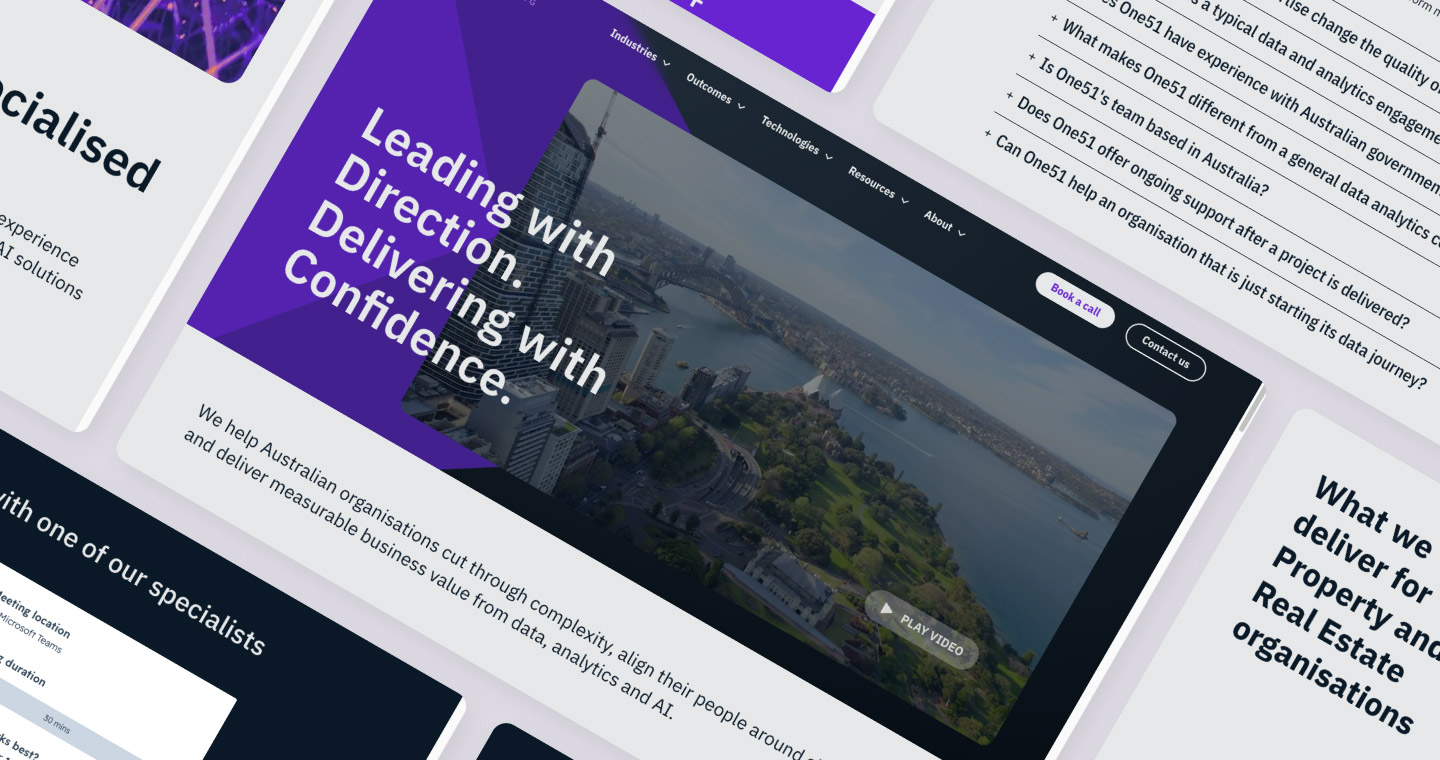
Work: One51
A brand refresh showing the industry they have modernised and gained confidence to deliver on the promise.
Frequently asked questions
About Brand, UX/UI design
What is brand strategy and positioning?
Brand strategy and positioning defines who you serve, what you stand for and why you're different, covering messaging, value proposition, audience definition and competitive positioning. It's the foundation everything else — visual identity, website copy, campaign creative — is built from, and typically takes a few focused weeks.
What does UX/UI design actually involve?
UX/UI Design covers user journey mapping, wireframing and prototyping, and interface design, grounded in how people actually navigate rather than assumptions about what looks clean. See our answer on why UX/UI design is essential for modern websites and apps.
How does brand design impact customer trust and recognition?
Consistent brand design — the same tone, colours and identity across every touchpoint — builds familiarity, and familiarity is one of the strongest drivers of trust over time. Our answer on how brand design impacts customer trust and recognition covers this in more depth.
Why is brand positioning crucial for online success?
Positioning gives every later decision — website copy, ad creative, sales conversations — something consistent to say, and without it messaging tends to drift and sound like every competitor's. Read why brand positioning is crucial for online success for a full explanation.
What role does branding play in customer trust and loyalty?
Strong branding signals reliability before a customer has any direct experience of the product or service itself, and consistent branding over time compounds into loyalty. See what role branding plays in customer trust and loyalty for more.
Should creative be part of a brand strategy?
Yes — creative direction gives a brand strategy something tangible to apply, and strategy without creative execution tends to stay theoretical. Our answer on whether creative should be part of a brand strategy explains how the two work together in practice.
How does website design impact user experience and conversions?
Good website design reduces friction at every step of the user journey, and small UX improvements often produce measurable increases in conversion rate. Read how website design impacts user experience and conversions, and see Website Design & Development for how this is delivered.
How can website animations and micro-interactions improve user experience?
Subtle animation and micro-interactions give users feedback on their actions and guide attention without adding visual noise, when used deliberately rather than decoratively. See how animations and micro-interactions improve user experience for detail.