
We design and develop native and cross-platform mobile apps based on audience needs, budget constraints and performance requirements. Platform choices are made to support scalability and long-term support.
Our services / mobile app development
Mobile apps that actually get used
An app isn’t valuable just because it exists. It’s valuable when people use it and it works seamlessly with everything else in your business.
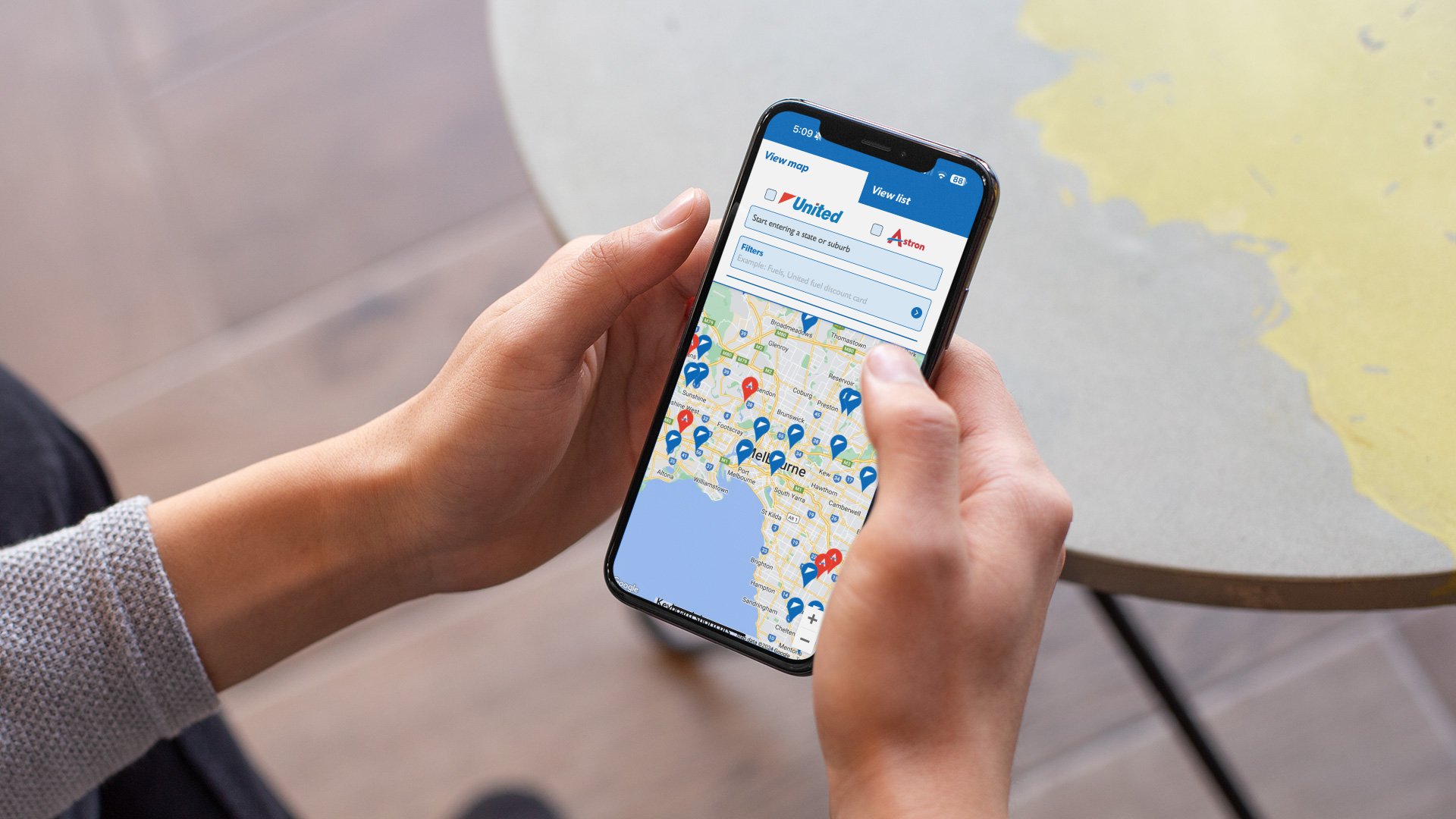
Apps designed for ongoing use, not just launch
Successful mobile apps are intuitive, reliable and supported by well-designed backend systems. They fit naturally into how people work and interact, rather than operating in isolation.
As a Melbourne mobile app development agency, we design and build apps that align business goals, technical constraints and long-term support requirements - ensuring apps remain usable, stable and relevant well beyond release.
How we design and deliver mobile apps

User-led design
Mobile experiences are designed around real user behaviour, accessibility and clear task flows, reducing friction and supporting repeat use.

Platform-appropriate delivery
Design and development decisions are tailored to iOS, Android or cross-platform requirements, balancing performance, cost and long-term maintainability.

Integrated by design
Apps are designed to connect with existing websites, CRM platforms and internal systems, forming part of a connected digital platform rather than a standalone product.
User-led design
Mobile experiences are designed around real user behaviour, accessibility and clear task flows, reducing friction and supporting repeat use.
Platform-appropriate delivery
Design and development decisions are tailored to iOS, Android or cross-platform requirements, balancing performance, cost and long-term maintainability.
Integrated by design
Apps are designed to connect with existing websites, CRM platforms and internal systems, forming part of a connected digital platform rather than a standalone product.
More than an app
A mobile app should feel like a natural extension of your business.
Not a separate product.
- Connected to your website and platform
- Integrated with CRM and user data
- Designed around real user behaviour
- Built to evolve over time
If it doesn’t add value, it won’t get used.

Our mobile app expertise
Mobile apps that balance usability, technical robustness and operational longevity
iOS and Android app development
UX and UI for mobile
Mobile UX and UI design prioritise clarity, speed and ease of use. Interfaces are designed to reduce cognitive load and support frequent, repeat interactions across devices.
Backend and system integration
We design app architectures that integrate with APIs, CRM systems, databases and third-party services as part of a broader digital ecosystem, ensuring data consistency and operational efficiency.
Testing, security and performance
Apps are tested across devices, operating systems and usage scenarios to ensure stability, security and consistent performance before release.
Ongoing app support
Post-launch support covers updates, feature enhancements and performance improvements, ensuring apps continue to meet user needs as requirements evolve.
From concept to release
-
Discovery and feasibility
-
User flows and wireframing
-
UI design
-
Development and integration
-
Testing and deployment
01.
We assess the idea, audience, technical constraints and integration requirements to confirm feasibility and alignment with business goals.
02.
Core user journeys and screen flows are mapped to ensure tasks are logical, efficient and easy to complete before visual design begins.
03.
Clear, accessible mobile interfaces are designed to reflect brand systems while prioritising usability, speed and consistency.
04.
The app is developed and integrated with required APIs, platforms and internal systems as part of a connected digital ecosystem.
05.
Functionality, performance and security are tested before deployment to app stores or enterprise environments.
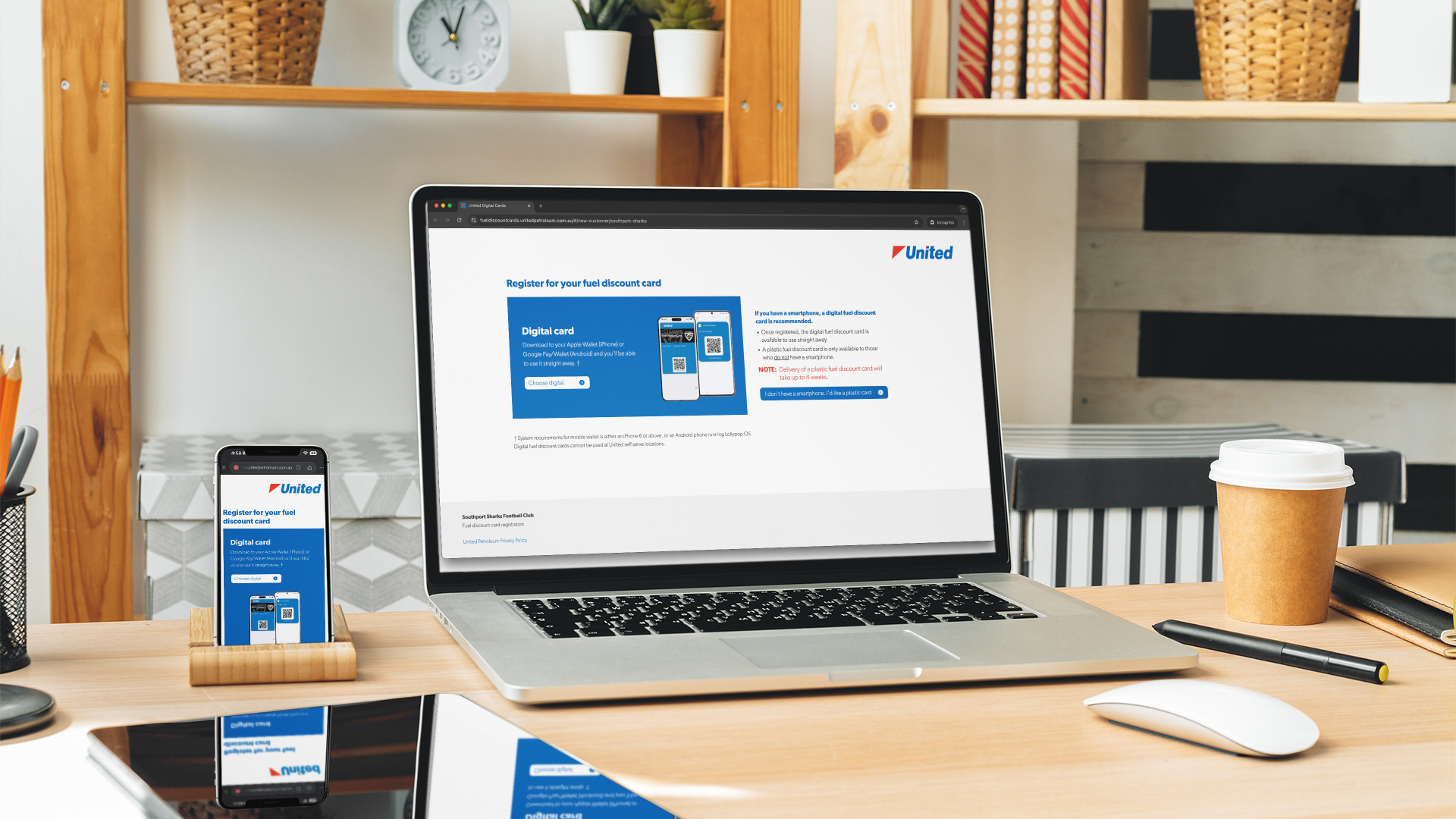
United Petroleum
Over 1.2M discount card
holders in Australia.
Plan your mobile app with confidence
We help organisations validate ideas, design usable mobile experiences and deliver apps built to perform reliably over time.
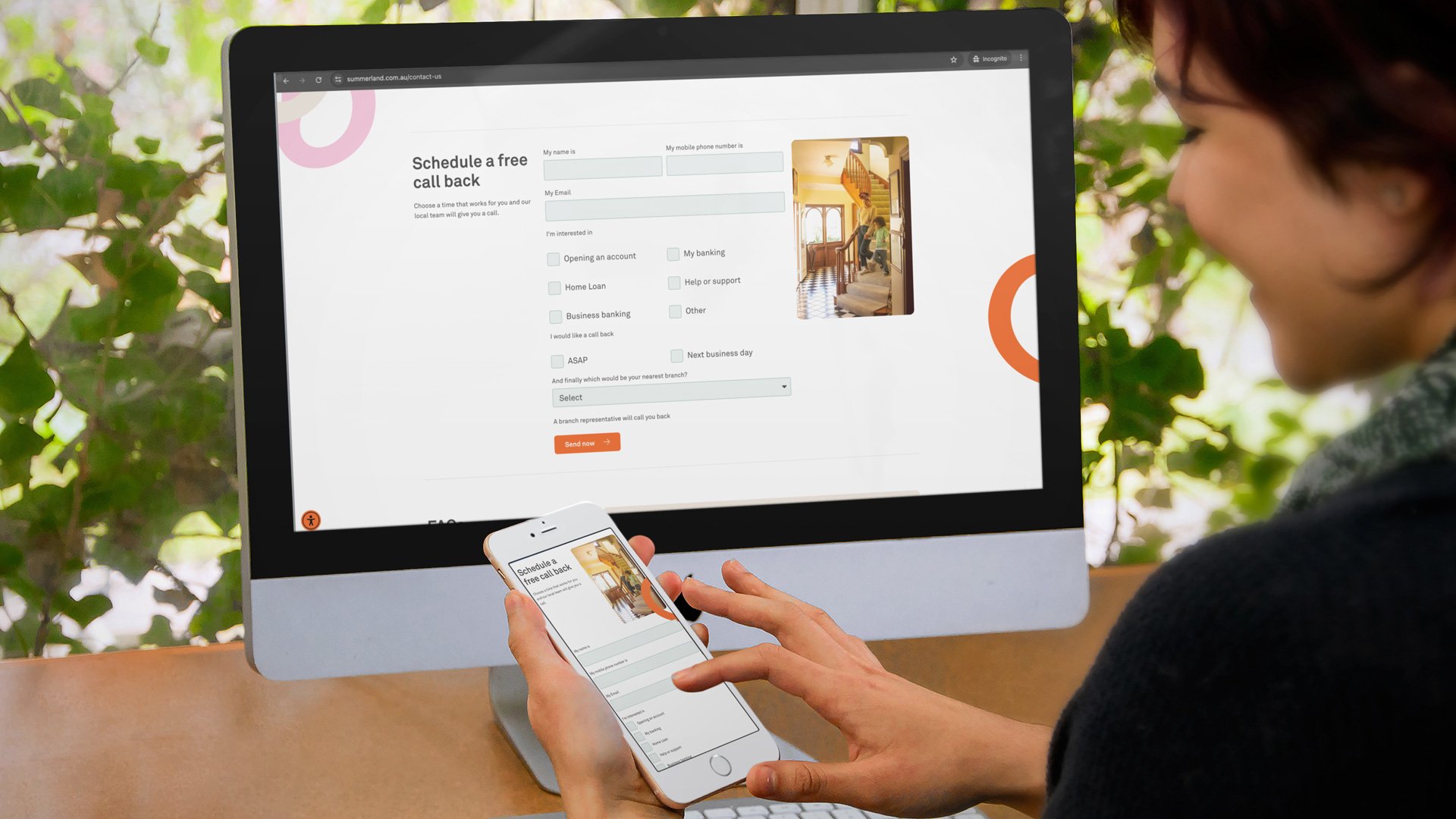
Mobile apps designed for specific users
What your app should be doing
A well-designed mobile app should:
- Deliver clear, repeatable value to users
- Be fast, intuitive and easy to navigate
- Sync seamlessly with your systems
- Support real-world use cases
- Improve engagement and retention
If it’s confusing or slow, users won’t come back.
Mobile app development options
Native App Development
Built for performance and reliability. We develop high-quality iOS and Android apps designed for speed, stability and long-term use.
- iOS app development
- Android app development
- Native performance optimisation
- App store readiness
Cross-Platform Development
Efficiency without compromise. Where appropriate, we use cross-platform frameworks to deliver consistent experiences across devices.
- Cross-platform app development
- Shared codebase solutions
- Faster development cycles
- Consistent UI across platforms
UX & UI Design
Designed for real behaviour. We design apps based on how users actually interact, not assumptions.
-
User journey mapping
-
Wireframing and prototyping
-
Mobile-first UI design
-
Accessibility considerations
Backend & Integration
Connected to everything that matters. Your app should never operate in isolation.
- Integration with websites and platforms
- CRM and user data sync
- API and middleware connections
- Secure data handling
Ongoing Support & Optimisation
Apps evolve or they fade. We support ongoing improvements to keep your app relevant and effective.
- Performance optimisation
- Feature enhancements
- Bug fixes and updates
- User behaviour insights
Native App Development
Built for performance and reliability. We develop high-quality iOS and Android apps designed for speed, stability and long-term use.
- iOS app development
- Android app development
- Native performance optimisation
- App store readiness
Cross-Platform Development
Efficiency without compromise. Where appropriate, we use cross-platform frameworks to deliver consistent experiences across devices.
- Cross-platform app development
- Shared codebase solutions
- Faster development cycles
- Consistent UI across platforms
UX & UI Design
Designed for real behaviour. We design apps based on how users actually interact, not assumptions.
-
User journey mapping
-
Wireframing and prototyping
-
Mobile-first UI design
-
Accessibility considerations
Backend & Integration
Connected to everything that matters. Your app should never operate in isolation.
- Integration with websites and platforms
- CRM and user data sync
- API and middleware connections
- Secure data handling
Ongoing Support & Optimisation
Apps evolve or they fade. We support ongoing improvements to keep your app relevant and effective.
- Performance optimisation
- Feature enhancements
- Bug fixes and updates
- User behaviour insights
Your app is part of a bigger system
The most valuable apps are the ones that connect.
- Syncing user data with CRM
- Linking with platforms and portals
- Supporting marketing and engagement
- Feeding insights back into your business
We design apps as part of your ecosystem, not as standalone tools.
Connection is what makes an app powerful.
Frequently asked questions
About Mobile app development
What is App UX and UI design, and why is it important?
App UX (User Experience) and UI (User Interface) design focus on creating a seamless, visually appealing, and efficient user experience within mobile and web applications. UX ensures the app is intuitive and meets user needs, while UI enhances its aesthetic and functional appeal. Together, they play a critical role in user satisfaction, engagement, and retention, driving the app’s success in a competitive market.
How do App UX and UI design impact app performance?
High-quality UX and UI design ensure an app is easy to navigate, visually engaging, and responsive. This reduces user frustration, enhances usability, and increases engagement. Optimised app performance improves user retention, reviews, and ratings, which are essential for visibility in app stores and overall success.
What are the best practices for designing mobile app UX and UI?
Best practices include designing for mobile-first responsiveness, keeping interfaces simple and clean, ensuring fast load times, and incorporating clear call-to-actions. Accessibility, intuitive navigation, and consistency across screens are also vital for delivering a user-friendly and engaging app experience. Regular usability testing ensures the design aligns with user expectations.
How do you approach App UX and UI design for different platforms (iOS vs. Android)?
App UX and UI design for iOS and Android require adherence to platform-specific guidelines, such as Apple's Human Interface Guidelines and Google's Material Design principles. While ensuring a consistent brand identity across platforms, we tailor designs to leverage the strengths of each platform, creating a seamless and native experience for users.
What tools do you use for App UX and UI design?
Popular tools for App UX and UI design include Figma, Adobe XD, Sketch, and InVision for prototyping and design. For usability testing, tools like Hotjar and Maze provide valuable feedback. Analytics platforms like Firebase and Google Analytics help track user behaviour and optimise app performance.
How do you ensure app accessibility and inclusivity in design?
App accessibility is achieved by following guidelines such as WCAG and ADA, incorporating features like proper colour contrast, larger text options, voice commands, and keyboard navigation. These measures ensure the app is usable by all individuals, including those with disabilities, improving reach and inclusivity.
How do you measure the success of an app’s UX and UI design?
Success is measured through metrics such as user engagement, task completion rates, retention, and customer feedback. Analytics tools provide insights into how users interact with the app, helping identify areas of improvement. A successful UX and UI design leads to increased downloads, higher user satisfaction, and positive app store reviews.
What industries benefit most from optimized App UX and UI design?
Every industry can benefit from optimised App UX and UI design, including e-commerce, healthcare, finance, education, and entertainment. Well-designed apps enhance user satisfaction, streamline workflows, and drive conversions, making them essential for businesses aiming to establish a strong digital presence and cater to mobile-first audiences.
How do you handle app usability testing and feedback?
Usability testing is conducted using prototypes and live versions of the app. Feedback is gathered through user interviews, session recordings, and surveys. Insights are analysed to identify pain points and areas for improvement, ensuring the app meets user expectations and business goals. Regular iterations based on feedback keep the app relevant and user-centric.
How does App UX and UI design contribute to overall business success?
A well-designed app enhances user satisfaction, encourages retention, and drives revenue. It provides a competitive edge by establishing a professional and trustworthy digital presence. Additionally, seamless and engaging app experiences contribute to brand loyalty and word-of-mouth referrals, ultimately supporting the business’s growth and reputation.
What is the difference between a web app and a mobile app?
A web app is accessed through a web browser and works on any device with an internet connection, while a mobile app is downloaded and installed directly onto a smartphone or tablet. Web apps are platform-independent, whereas mobile apps are designed for specific operating systems like iOS or Android, offering enhanced functionality and offline capabilities.
How can a web or mobile app benefit my business?
Web and mobile apps offer unique opportunities to engage with customers, streamline operations, and boost efficiency. They enable personalised user experiences, facilitate real-time interactions, and provide features like push notifications and in-app purchases, helping businesses improve customer retention and generate revenue.
What is the process of developing a web or mobile app at ID Digital?
At ID Digital, we follow a structured process: discovery and strategy sessions, wireframing and UX design, development and testing, and finally, deployment and maintenance. This ensures a seamless experience, aligning the app with your business goals and delivering high-quality results on time.
Do you offer cross-platform app development?
Yes, we specialise in developing cross-platform apps that work seamlessly across iOS, Android, and web browsers. This approach ensures consistent user experiences, faster development timelines, and cost-effective solutions for businesses looking to maximise their reach.
How do you ensure that web and mobile apps are secure?
We implement robust security measures such as data encryption, secure APIs, and regular vulnerability testing. Our apps adhere to industry standards and best practices, ensuring that user data and business operations remain protected from potential threats.
Can my web or mobile app integrate with existing systems like CRMs or ERPs?
Absolutely. We design and develop apps with seamless integration in mind, ensuring they work harmoniously with existing systems such as CRMs, ERPs, and marketing automation tools. This enhances operational efficiency and provides a unified platform for data and process management.
How do you optimise apps for performance and speed?
We use lightweight frameworks, optimise code, and leverage efficient caching mechanisms to ensure apps run smoothly and load quickly. By conducting extensive performance testing, we identify and resolve potential bottlenecks, delivering a seamless user experience across all devices.
What ongoing support and maintenance services do you provide for apps?
Our services include regular updates, bug fixes, security patches, and performance monitoring to ensure your app remains functional, secure, and aligned with evolving business needs. We also offer feature enhancements and scalability solutions as your business grows.
How does ID Digital ensure a user-friendly experience in app design?
We prioritise user experience (UX) by conducting thorough research to understand your audience's needs and behaviours. Through intuitive navigation, clean interfaces, and responsive design, we create apps that are engaging, accessible, and easy to use.
How long does it take to develop a web or mobile app?
Development timelines vary depending on the complexity and features of the app. A basic web app may take 8-12 weeks, while a fully customised mobile app with advanced functionality could require 3-6 months. We ensure timely delivery without compromising on quality or user experience.
We’ll help you determine whether an app makes sense, what it should do and how it should connect to your systems.

Need something more robust than an app? For more complex workflows, data and user management, a web platform or secure portal might be the better fit.
Web platforms & secure portals
If you’re considering a mobile app, we’ll help you define it properly, build it correctly and connect it to everything else that matters.
Book a call