
Platforms / Data Synchronisation

Data Synchronisation

Reliable, real-time data flow across your platforms, CRM and digital systems.

panel-data-driven-precision

Keeping your systems in sync

When your systems don’t share the same data, things break.

Orders don’t match.
Leads get lost.
Reports don’t add up.

At ID Digital Agency, we design and implement data synchronisation solutions that ensure your platforms stay aligned, accurate and up to date.

Because connected systems rely on consistent data.

More than just data syncing

Data synchronisation isn’t just about moving information.

It’s about ensuring consistency, reliability and visibility.

We focus on:

  • Aligning data across systems
  • Reducing duplication and errors
  • Supporting real-time or scheduled updates
  • Improving reporting and decision-making

When data is synced properly, everything becomes clearer.
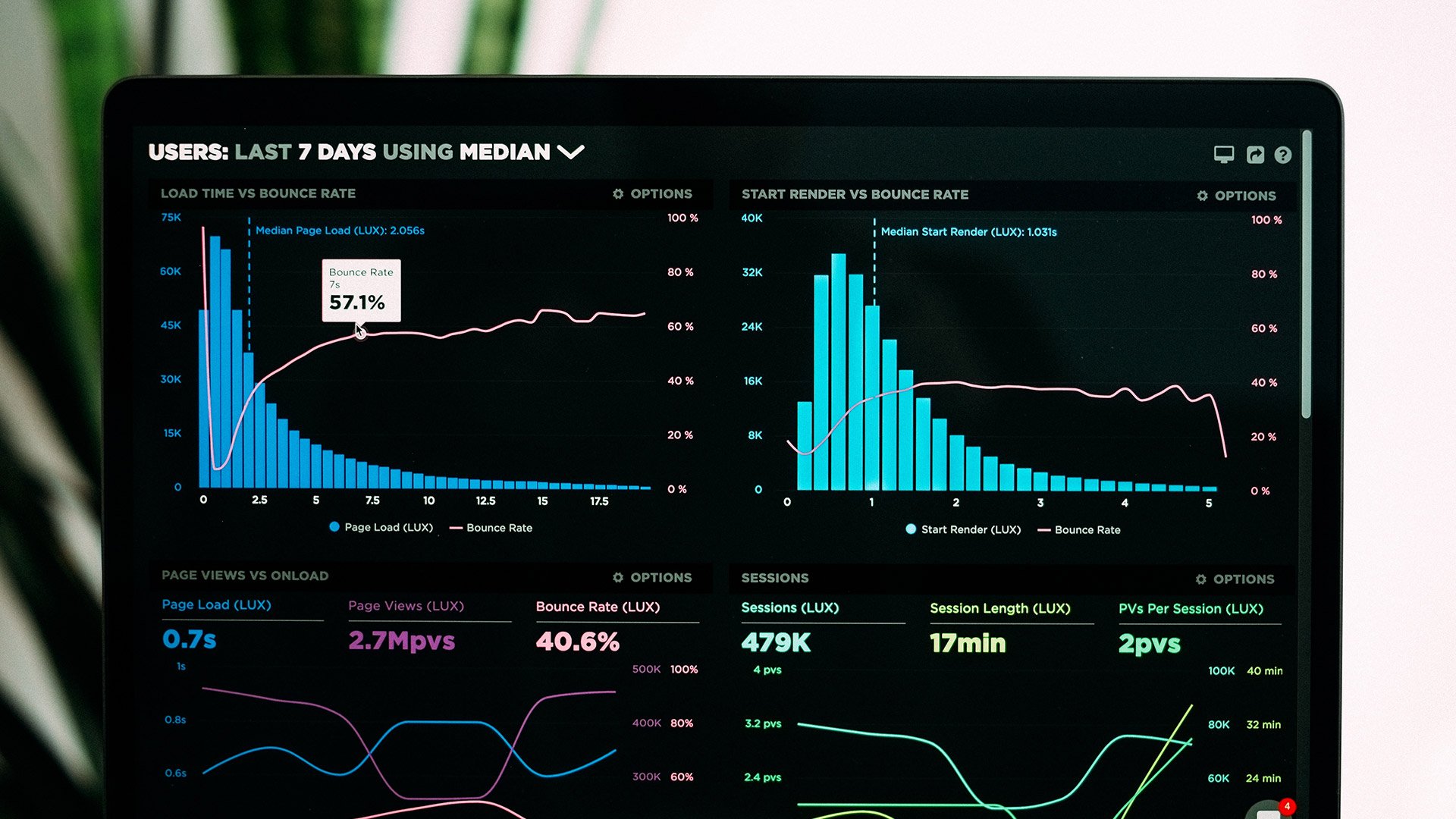
panel-data-driven

What we do with data synchronisation

We deliver:

  • Real-time and scheduled data synchronisation
  • Platform-to-platform data integration
  • CRM and marketing data alignment
  • API-based data syncing
  • Error handling and data validation
  • Scalable synchronisation architecture

Accurate data. Reliable systems.
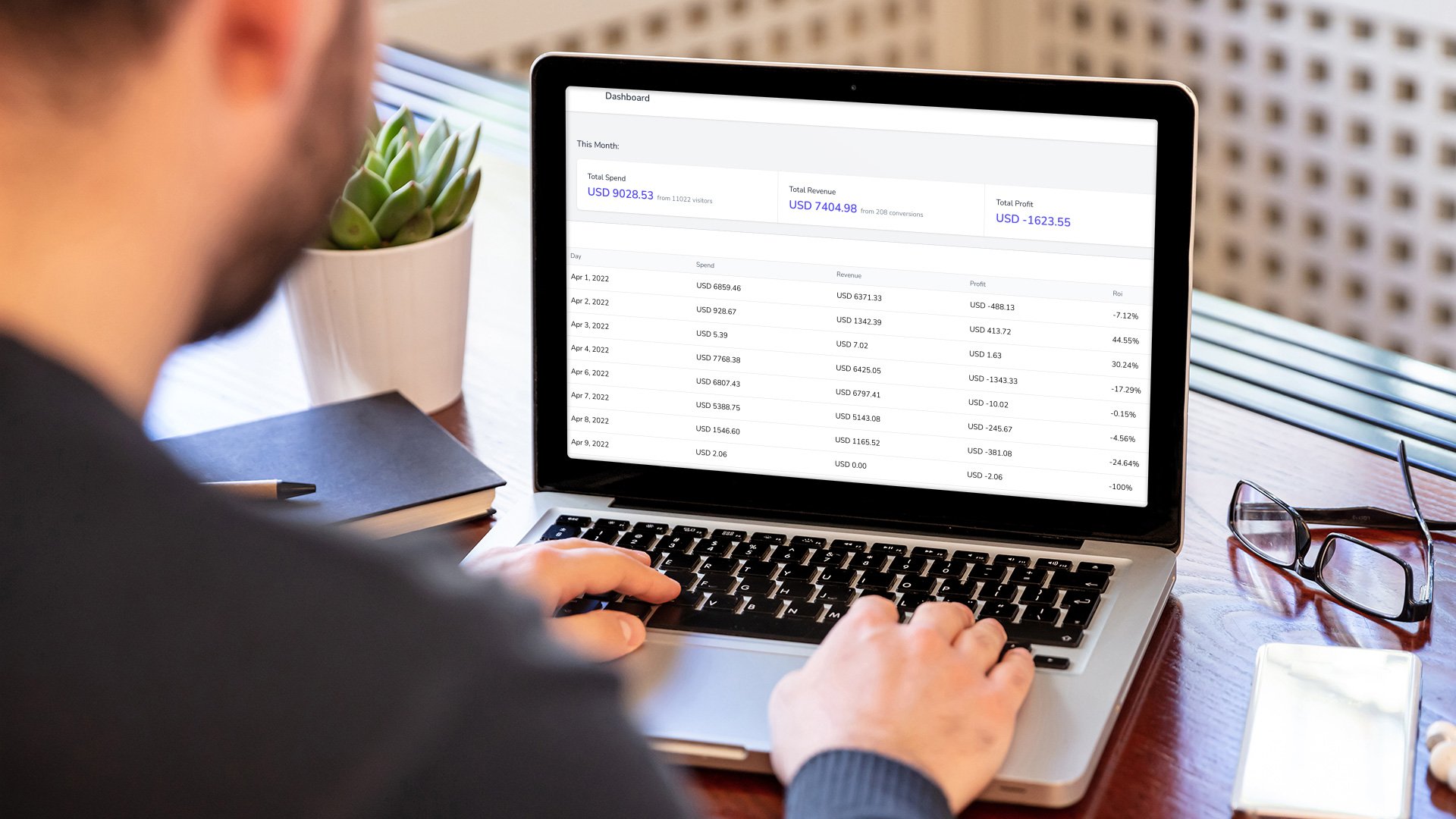
filament-screen-iddigital-2
united-petroleum-fuel-discount-card-registration
United Petroleum

We sync their finance, point-of-sale, CRM and web registrations to keep their business growing.

Visit website

Data synchronisation sub-service breakdown


Real-Time Data Synchronisation

Instant updates across systems. We enable real-time data syncing to ensure systems stay aligned.

Scheduled Data Syncing

Structured and controlled updates. We implement scheduled syncing where real-time is not required.

CRM & Marketing Data Alignment

Keeping customer data consistent. We ensure your customer data is aligned across platforms.

Data Validation & Error Handling

Ensuring accuracy and reliability. We build systems that detect and manage data issues.

Where data synchronisation makes the difference

Data synchronisation is critical when:

  • Multiple platforms manage the same data
  • CRM and marketing systems need alignment
  • eCommerce and operations must stay consistent
  • Reporting depends on accurate data
  • Manual processes are causing errors

If your data is duplicated or inconsistent, it’s time to sync.

panel-data-where-you-need

Why work with ID Digital Agency

We don’t just build applications.

We connect them.

  • Strong API and integration expertise
  • Deep experience across platforms and systems
  • Strategy-led architecture
  • Focus on scalability and performance
  • Ongoing optimisation and support

Applications built for connection.

feature-the-people

Frequently asked questions

About Data Sync

What is data synchronisation?

Data synchronisation keeps selected information consistent across two or more systems. For example, customer records, orders, product data or booking details may need to be shared between a website, CRM and operational platform. ID Digital Agency designs data synchronisation solutions around the data, rules and timing each business requires.

What is the difference between real-time and scheduled data synchronisation?

Real-time or event-driven synchronisation sends updates shortly after a change occurs, while scheduled synchronisation transfers updates at defined intervals. Real-time is useful when teams or customers need current information; scheduled syncing can be simpler and more cost-effective when small delays are acceptable. The right model depends on business impact, API limits and system capabilities.

Which business systems can be synchronised?

Depending on their integration options, systems may include CRM platforms, websites, ecommerce stores, finance software, booking systems, inventory tools, customer portals and custom applications. We assess the available APIs, data formats, permissions and ownership rules before recommending a design. See our broader platforms and integrations service.

Can data synchronisation work in both directions?

Yes. Two-way synchronisation is possible when both systems support the required operations and the business rules are clear. It needs careful handling of conflicts, duplicate records, field ownership and updates made in both systems. Not every field should necessarily sync both ways; our data synchronisation team can help define an appropriate model.

How can data synchronisation reduce duplicate data and manual work?

A well-designed sync can automatically pass validated information between systems instead of asking staff to re-enter it. Matching rules, unique identifiers and duplicate detection help prevent multiple records for the same customer or transaction. The aim is to reduce avoidable admin while preserving data quality and auditability.

What happens when a data synchronisation process fails?

A robust solution should record the error, preserve enough context to investigate it, retry transient failures where safe and alert the appropriate team when intervention is needed. It should also make it possible to reconcile missed updates without creating duplicates. Error handling and validation are core parts of our data synchronisation service.

How do you keep synchronised data accurate?

Accuracy depends on validation rules, agreed field mappings, consistent identifiers, clear source-of-truth decisions and regular monitoring. Testing should cover incomplete records, unexpected values, duplicate events and changes made in each connected system. ID Digital Agency designs synchronisation around data quality as well as data transfer.

Can you synchronise HubSpot with a website or operational system?

Yes, subject to the relevant HubSpot subscription, API access and capabilities of the other system. Common use cases include sending website enquiries into HubSpot, aligning contact or company fields, updating lifecycle information and connecting CRM records to operational workflows. Our CRM, automation and integrations service can help assess the best approach.

How long does a data synchronisation project take?

Timing depends on the number of systems, API documentation, data quality, security reviews, transformation rules and testing requirements. A simple one-way sync may be relatively quick, while a business-critical two-way integration with reconciliation and monitoring takes longer. We establish a realistic delivery plan after technical discovery; contact us to discuss your requirements.

How do I know whether my business needs data synchronisation or a larger integration solution?

If the main need is to keep defined records consistent, a focused synchronisation service may be sufficient. If the workflow also needs complex business rules, orchestration across multiple systems, transformation or centralised error handling, middleware may be more suitable. Compare our data synchronisation service with our middleware development service to understand the options.

Discuss a middleware project with us