

Artificial intelligence is no longer a future concept in digital. It is already embedded in how websites are built, how campaigns are optimised and how businesses operate day to day.
For digital agencies, AI has changed workflows dramatically. For businesses, it has created both opportunity and confusion.
Some agencies are using AI to genuinely improve outcomes. Others are simply rebranding existing services with new buzzwords.
Knowing the difference matters.
AI is a tool, not a strategy
The most important thing to understand is this.
AI does not replace strategy.
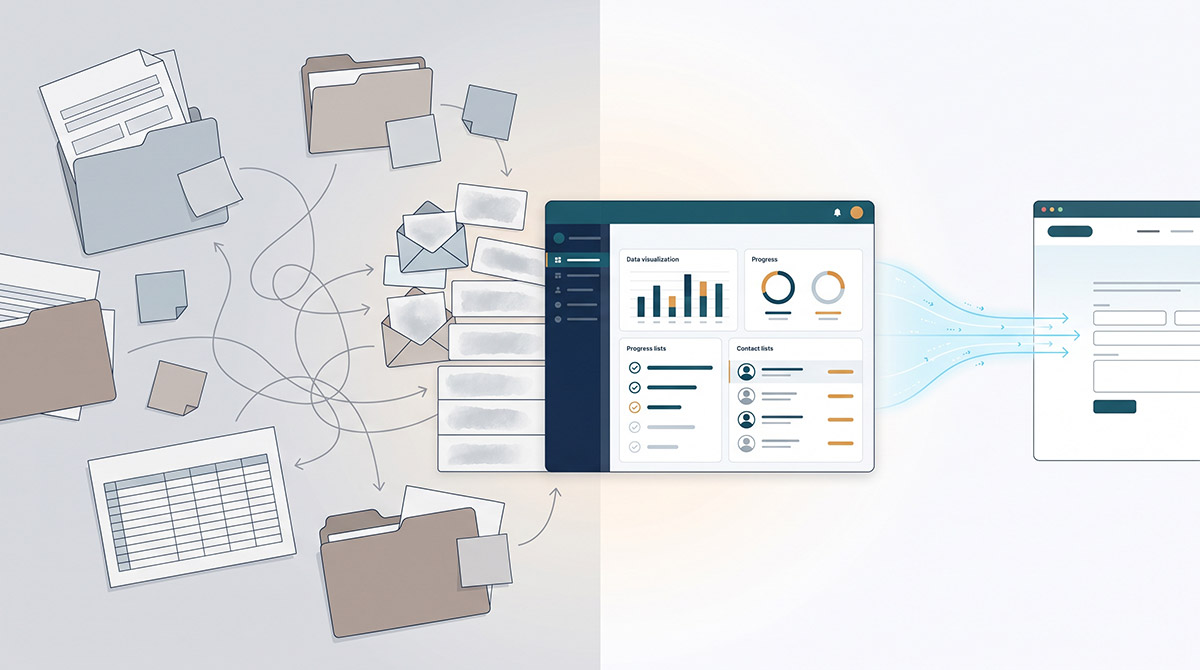
AI accelerates execution. It improves efficiency. It surfaces insights faster. But without clear goals, audience understanding and direction, AI simply produces faster noise.
Smart digital agencies use AI to support strategy, not bypass it.
If an agency leads with tools before asking questions, that is a warning sign.
How AI is actually changing digital agencies
Behind the scenes, AI has reshaped how modern agencies operate.
Common uses now include:
- Faster prototyping and wireframing
- Code generation and quality checking
- Content drafting and optimisation
- Data analysis and pattern recognition
- Marketing automation and personalisation
These changes allow agencies to move faster, test more ideas and reduce repetitive manual work.
What has not changed is the need for human judgement, experience and accountability.
Developers are becoming AI-enabled problem solvers
One of the biggest shifts is how development teams work.
Rather than replacing developers, AI has changed their role. Skilled developers now act as:
- System architects
- Problem solvers
- Quality controllers
- AI prompt engineers
They understand how to guide AI, validate outputs and integrate results safely into real-world systems.
Agencies without strong technical foundations often struggle here. AI-generated code without oversight creates risk, not efficiency.
Better marketing requires better data, not just automation
AI has made marketing automation more accessible than ever.
But automation without clean data and clear intent rarely delivers value.
Smart agencies use AI to:
- Segment audiences more accurately
- Personalise messaging based on behaviour
- Optimise campaigns in real time
- Identify what is working and what is not
This only works when marketing is connected to websites, CRM platforms and analytics.
Disconnected systems limit what AI can actually improve.
Red flags to watch for when agencies talk about AI
Not all AI adoption is equal.
Be cautious if an agency:
- Talks about AI without explaining how it improves outcomes
- Replaces strategy with tools
- Promises fully automated results
- Cannot explain how quality and accuracy are controlled
- Avoids discussing data privacy and governance
AI should reduce risk and increase clarity, not introduce uncertainty.
What smart businesses should look for
When choosing a digital agency in an AI-driven world, look for partners that:
- Start with strategy before technology
- Use AI to improve speed and insight, not cut corners
- Have experienced designers, developers and marketers in-house
- Focus on connected systems, not isolated tools
- Are transparent about where AI is used and where humans lead
The goal is not to use more AI. The goal is to make better decisions, faster.
AI rewards experience, not inexperience
One of the great misconceptions is that AI levels the playing field.
In reality, AI amplifies experience.
Agencies with strong foundations, proven processes and deep understanding of digital systems benefit the most. Those without them often struggle to control outputs and maintain quality.
Experience still matters. AI simply makes it more powerful.
Final thoughts
AI is not a shortcut. It is a multiplier.
For businesses, the opportunity is real, but only when AI is guided by strategy, experience and accountability.
The right digital agency will help you navigate this change confidently, using AI where it adds value and human expertise where it matters most.
That balance is what separates smart adoption from expensive experimentation.